Before signing in to tt 88, a thirty-second check of the web address, device, and connection can prevent problems that are much harder to fix later. Logging in is one of the shortest actions a user performs online, yet it sits at the center of account security. The same screen that gives an authorized user access is also the screen an attacker tries to imitate, bypass, or abuse.
Most account-access problems are manageable when they are approached methodically. The trouble begins when frustration leads to repeated password attempts, unsafe recovery links, or conversations with unverified “support” accounts on social media. This is easier to manage than recovering from a rushed mistake.
The sections below explain how to prevent common sign-in mistakes, troubleshoot access problems in a logical order, and recognize the moments when a login issue may actually be a security warning rather than a technical inconvenience. That sequence keeps troubleshooting focused and safer.
Public Wi-Fi and shared devices change the risk
Public computers and shared devices change the threat model because you do not control every browser extension, saved session, or piece of malware on the machine. Avoid saving passwords, disable “remember me,” and sign out completely when finished. On public Wi-Fi, an encrypted connection is essential, but the greater risk is often the fake hotspot or phishing page rather than someone simply reading encrypted traffic. The check takes little time and can prevent a larger problem. That belongs in every sign-in routine.
If sensitive account work can wait until you are on your own device and network, waiting is usually the safer choice. This is easier to manage than recovering from a rushed mistake. That belongs in every sign-in routine.
What to do after several failed attempts
It gives the user a clearer signal before the next step. After several failed attempts, stop before the account enters a longer lockout period. Check whether the service has sent a security alert or whether a password reset was recently requested. If you did not trigger the activity, change the password from a trusted device and review other accounts that reused the same credentials. When contacting support, provide only the information requested through the service’s known support channel.
- Pressure to continue trying passwords quickly is usually counterproductive.
Recognizing fake support and login pages
Urgency is one of the most common tools used by fake support accounts. Messages such as “verify now” or “account will close” are designed to make people react before checking the address. Unexpected login links from direct messages, comments, or unofficial groups should therefore be treated with caution.
Be especially cautious if someone asks for remote access to your device, a screen share, a password, or a one-time code. The check takes little time and can prevent a larger problem. That belongs in every sign-in routine.
A clean troubleshooting sequence
The same habit is useful on both desktop and mobile devices. A clean troubleshooting sequence starts with the least disruptive checks and moves toward account recovery only when necessary. Confirm the web address, verify the credential field, refresh the browser session, test another trusted browser, and check the network. Only then use the password-recovery process if the evidence points to a credential problem. Write down error messages exactly because small wording differences can indicate whether the failure is local, security-related, or account-specific.
This method avoids changing several things at once and losing track of the original cause.
Keeping sessions under control
Account security continues after a successful sign-in. Log out on devices you do not fully control and review active sessions if the service provides that feature. Browser cookies can keep an account open long after the user forgets about it, especially on family computers or work machines. If you suspect unauthorized access, end other sessions, change the password, and secure the email account connected with recovery. It gives the user a clearer signal before the next step.
What this means for the user
The email account is often the real master key because it can reset access to many other services. That sequence keeps troubleshooting focused and safer.
The 30-Second Sign-In Check
The safest login habit begins before any credential is typed: confirm where you are. Phishing pages often copy logos, colors, and button labels closely enough to fool a rushed user. Read the domain carefully, especially on mobile where the address bar may be shortened. A link received through an unsolicited message deserves more suspicion than a bookmark you created yourself. This is easier to manage than recovering from a rushed mistake.
If the page suddenly asks for information that is not normally required, stop and verify the destination again. Security starts with the page identity because a perfect password provides no protection when it is entered into a fake form. The same habit is useful on both desktop and mobile devices.
Separate password problems from browser problems
Login failures usually come from a small number of causes: incorrect credentials, browser state, network problems, or account controls. Treating every failure as a password problem can create unnecessary resets and even trigger temporary locks. First confirm the username or email, then check whether Caps Lock, autofill, or an old saved password is interfering. Next try a private browser window or a cleared site session before changing the password. That sequence keeps troubleshooting focused and safer.
If the problem affects several devices, the issue is more likely to be account-side than browser-side. A short diagnostic sequence is safer than random repeated attempts. It also avoids changing more settings than necessary.
Practical Checklist
- Correct domain
- Trusted device
- Unique password
- Recovery access available
- No unexpected request for codes
Stop Recycling Passwords
A unique generated password is harder to guess and prevents a breach on one service from exposing another account. The master password itself should be strong and protected with multifactor authentication where available. Password managers solve two common problems at once: weak passwords and password reuse. A manager can also help detect phishing because saved credentials normally appear only on the domain for which they were created. Memory tricks often produce predictable patterns, especially when users add a year, symbol, or site name to the same base word.
Two-factor authentication and recovery planning
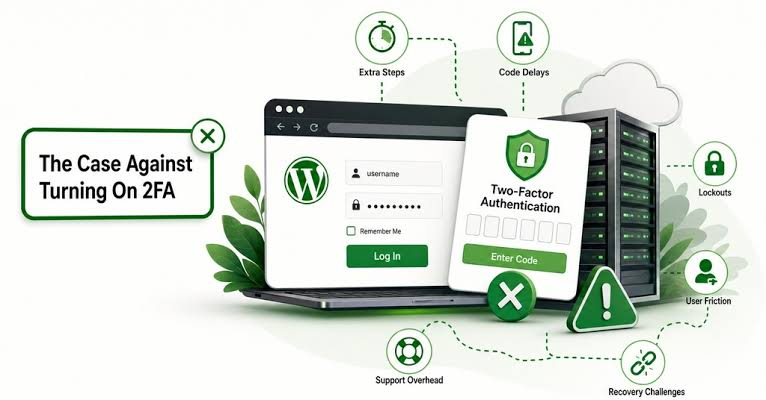
Recovery planning matters just as much as activation: store backup codes somewhere secure and keep recovery contact information current. Legitimate support teams do not need your password or authentication code to diagnose an ordinary account issue. Never share a one-time code with someone who contacts you claiming to be support. Authenticator apps or security keys are generally more resistant to interception than ordinary SMS codes, although availability depends on the service. Two-factor authentication adds a second barrier when a password is stolen.
Protect the recovery channel too
Many users secure the main account but forget the email address or phone number used for recovery. That is a serious gap because an attacker who controls the recovery channel may be able to reset the password even when the original password is strong. Protect the email account with its own unique password and multifactor authentication, keep recovery details current, and review unfamiliar login alerts. If the phone number changes, update it before the old number is reassigned. Account security is a chain, and the recovery channel is often one of its most important links. It gives the user a clearer signal before the next step.
What to record when access fails
It also reduces the temptation to keep changing settings randomly while waiting for help. That pause is often enough to expose an unsafe request. When a login problem needs support, a short record can save time. Note the exact error message, the time it occurred, the device and browser used, whether the issue happens on another trusted device, and whether a password reset was attempted. Do not include the password itself. This information helps distinguish a browser problem from an account lock, a service outage, or suspicious activity.
A Practical Closing Note
Those small habits prevent a large share of account problems and make genuine technical issues easier to diagnose. It also avoids changing more settings than necessary. Secure login habits are intentionally boring: verify the address, use a unique password, protect recovery methods, avoid rushed decisions, and stop when something looks wrong.
Good sign-in security does not require complicated habits. It requires a few reliable ones that are followed every time, including on mobile devices and unfamiliar networks.
If you decide to access the account, use the site’s đăng nhập tt88 page from a trusted device and verify the address before entering credentials. It gives the user a clearer signal before the next step.
If any sign-in request feels unusual, protecting the account is more important than gaining access quickly.