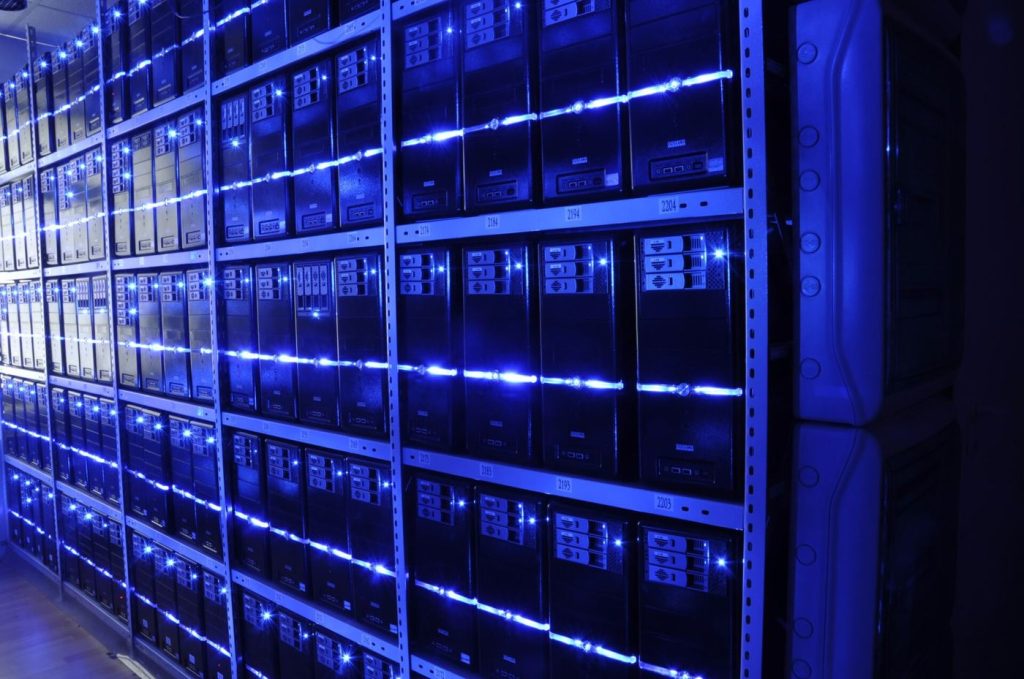
Data centres are redesigning how they cool thousands of heat-producing servers, cutting water consumption sharply at a time when both computing demand and water stress are rising. Traditional facilities often evaporate large volumes of water to carry heat away, a method that works well but draws criticism in dry regions. Newer designs favour closed loops that reuse the same liquid for years, direct-to-chip cooling plates that capture heat at its source, and rear-door heat exchangers that warm water for reuse in nearby buildings. Some operators time their heaviest computing for cooler night hours or adjust temperatures dynamically, letting server halls run slightly warmer within safe limits to save both water and electricity. The push is driven partly by artificial intelligence, whose powerful processors concentrate unprecedented heat into single racks. It is also driven by planning rules, as communities asked to host new facilities demand credible figures for local water impact. Engineers point out that there is no single best answer: a design ideal in a cool, wet climate may be wrong in an arid one. The trend, however, is unmistakable, with efficiency measured in litres as carefully as in watts.
What the Evidence Shows
The data centre cooling redesign is influencing decisions far beyond the server hall. Chip designers now shape processors to suit liquid cooling, placing the hottest components where cold plates make the best contact. Facility architects arrange buildings around heat reuse from the start, piping warm water to swimming pools, greenhouses and district heating schemes rather than treating it purely as waste. Operators publish water usage figures alongside the power efficiency numbers they have reported for years, and customers comparing cloud providers increasingly ask for both. Retrofitting older sites is harder, because plumbing must be threaded through live facilities where downtime is measured in lost revenue, yet even partial upgrades show worthwhile savings. Researchers are testing immersion cooling, in which servers sit in baths of engineered fluid, and advanced controls that predict heat loads minutes ahead. Each approach must prove itself on reliability, because a cooling failure can shut down a hall faster than almost any other fault. As demand for computing keeps climbing, the facilities that win public acceptance will be those that treat water as a precious, shared resource rather than an invisible input. Reporting and analysis from sources such as MIT Technology Review track the same developments, and specialists following the data centre cooling redesign say the direction is now consistent across independent lines of evidence.
The Wider Context
The wider context is an industry learning to ship capability and restraint together. Products built around the data centre cooling redesign now launch with safety evaluations, usage data and rollback plans as standard, because enterprise buyers and regulators ask for them in the first meeting. Companies that treated those questions as friction are discovering they have become the purchase criteria.
What Happens Next
What happens next for the data centre cooling redesign depends less on another breakthrough than on the unglamorous work of reliability, pricing and support. The buyers evaluating it now are not enthusiasts; they are operators with budgets and auditors, and their checklists will decide the timeline. On the evidence of the current pilots, the technology has earned the right to be judged by them. You can follow related developments in our coverage of technology.
There is a practical lesson in all of this for readers deciding what to do today. Start with the verified facts, be wary of anyone promising certainty, and prefer reversible steps while the evidence is still developing. Circumstances differ by country, income and personal situation, so general guidance should always be weighed against your own context before you act on it in any significant or lasting way.