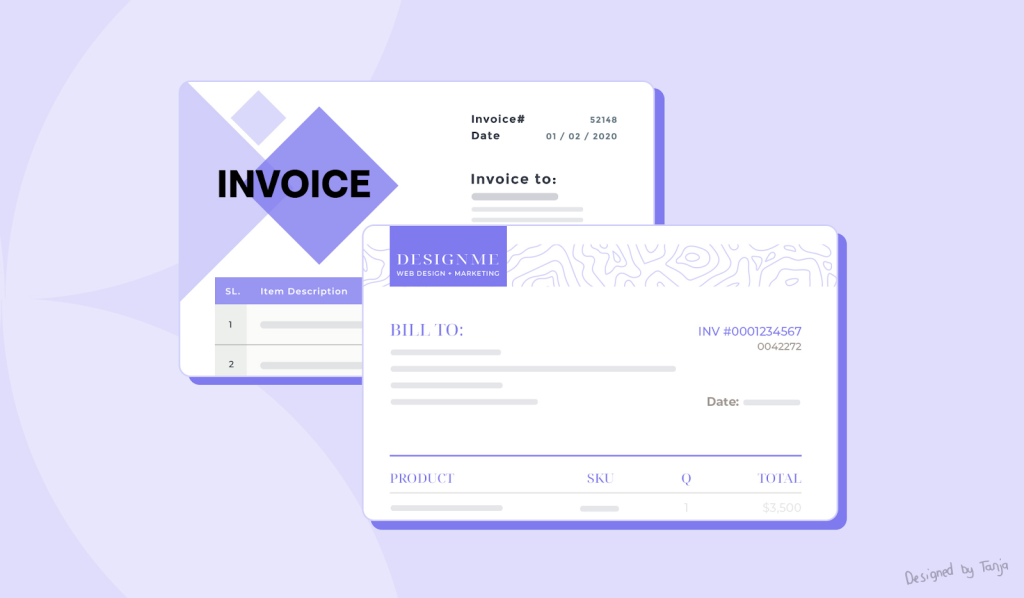
For freelancers, managing payments and maintaining proper financial records is crucial. A freelance receipt template provides an easy way to document completed work and ensure timely payments. Whether you’re a graphic designer, writer, consultant, or developer, using a structured receipt template can help you stay organized and maintain professionalism.
What is a Freelance Receipt Template?
A freelance receipt template is a pre-designed document that freelancers can use to record payments received from clients. It includes essential details such as client information, services provided, payment amount, and date.
By using a template, freelancers don’t need to create a receipt from scratch each time. Templates save time, reduce errors, and ensure consistency across all transactions.
Key Components of a Freelance Receipt Template
A proper freelance receipt template typically includes:
- Freelancer Details: Name, address, email, and contact number
- Client Details: Name, company (if applicable), and contact information
- Receipt Number: A unique identifier for easy tracking
- Date of Issue: When the payment was received
- Description of Services: Details of the project, tasks, or hours worked
- Payment Details: Amount received, currency, and payment method (bank transfer, PayPal, cash, etc.)
- Subtotal and Taxes: If applicable, include any taxes or deductions
- Total Amount: The final amount received
- Signature: Optional, but adds a professional touch
Including these elements ensures that your freelance receipt template is professional and meets client expectations.
Benefits of Using a Freelance Receipt Template
Freelancers gain multiple advantages by using a structured receipt template:
1. Professionalism
A well-formatted receipt gives clients confidence in your business practices and strengthens your professional image.
2. Time-Saving
Instead of drafting receipts manually, you can fill in a template within minutes and send it to your client immediately.
3. Accurate Record-Keeping
Templates ensure all relevant information is included, reducing mistakes and making it easier to track payments for accounting and tax purposes.
4. Consistency
Using the same template for every transaction keeps your records organized and uniform.
5. Legal Documentation
Receipts serve as proof of payment, which can protect freelancers in case of disputes or audits.
How to Use a Freelance Receipt Template
Creating a freelance receipt using a template is simple:
- Choose a Template: Select a template that matches your style and needs. Many online platforms provide free or customizable options.
- Fill in Your Details: Include your personal or business information.
- Add Client Information: Ensure the client’s name, company, and contact details are accurate.
- Describe the Services: Include a clear breakdown of tasks completed or hours worked.
- Enter Payment Information: Add payment amount, method, taxes (if any), and total.
- Review and Send: Double-check all details, then save as a PDF or send directly via email.
This approach ensures accuracy and professionalism while saving time.
Tips for Creating an Effective Freelance Receipt Template
- Keep it Simple: Avoid unnecessary graphics or complicated formats
- Include Unique Receipt Numbers: Helps track payments efficiently
- Use Clear Language: Ensure clients can easily understand the breakdown of services
- Save Digital Copies: Maintain copies for future reference and tax purposes
- Update Regularly: Adjust templates as your services or rates change
Common Mistakes to Avoid
When using freelance receipt templates, avoid these errors:
- Omitting key details like payment method or total amount
- Using inconsistent formats across different clients
- Forgetting to include taxes if applicable
- Sending incomplete receipts without a description of services
Avoiding these mistakes ensures smooth communication with clients and avoids payment disputes.
Legal and Ethical Considerations
Freelance receipts are official documents. Using a freelance receipt template responsibly is essential:
Acceptable Uses:
- Recording legitimate freelance payments
- Documenting services provided
- Managing financial records for taxes or audits
Unacceptable Uses:
- Creating false receipts to claim income
- Misrepresenting work or payment received
- Committing fraud or tax evasion
Always ensure your receipts reflect real transactions and accurate amounts.
Conclusion
A freelance receipt template is an essential tool for freelancers looking to manage payments efficiently, maintain professionalism, and keep accurate financial records. By using a template, freelancers save time, reduce errors, and provide clients with clear documentation of completed work.
Whether you’re just starting your freelance career or have multiple clients, a well-structured receipt template ensures that every transaction is organized, professional, and legally sound. It’s a simple yet powerful solution to improve your freelance business operations.