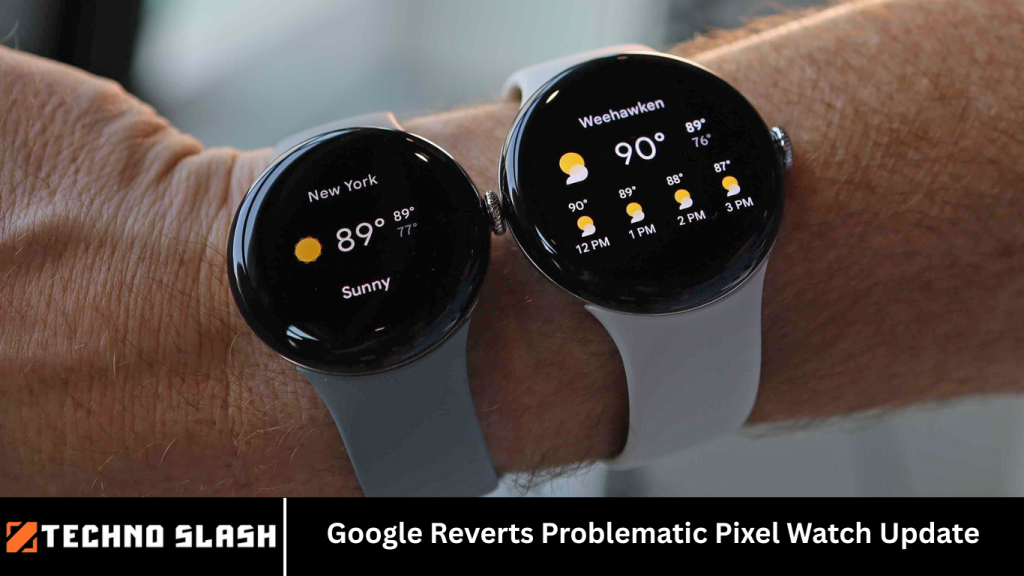
Smartwatches have become an integral part of modern life, blending health tracking, notifications, and smart assistant features into a single, sleek device. Google recently made headlines by reverting a key Pixel Watch update after reports emerged that the patch caused more problems than it solved.
Google’s Pixel Watch series, designed to integrate deeply with Android and Fitbit ecosystems, promised a seamless wearable experience. However, the path to perfection is often lined with bumps—and the latest stumble comes in the form of a problematic software update.
In this article, we explore what went wrong, how users were affected, and what the incident says about the future of wearable technology updates. We’ll also address common questions users have and what they can do to safeguard their devices from similar hiccups in the future.
The Update That Sparked the Issue
What Was the Update Supposed to Do?
The now-reversed update was part of Google’s routine feature drop for the Pixel Watch lineup, intended to enhance performance, battery efficiency, and introduce new health-tracking capabilities. Key highlights of the update included:
- Improved heart rate monitoring accuracy
- Enhanced GPS performance for fitness tracking
- Bug fixes related to third-party app notifications
- Optimizations aimed at extending battery life
Users anticipated these enhancements, particularly those dealing with longstanding performance concerns, such as inconsistent step counts or rapid battery drain.
When Was It Released?
The update began rolling out in early April 2025 to both Pixel Watch (1st gen) and Pixel Watch 2 models. As with most Pixel ecosystem updates, the release was staged, meaning users received it gradually based on region and device eligibility.
Early Red Flags from the Community
User Complaints Surface
Within days of the rollout, Pixel Watch forums, Reddit threads, and social media channels saw a surge in complaints. Affected users reported a variety of issues:
- Unresponsive touchscreens: Some devices froze mid-use or lagged significantly.
- Battery drain acceleration: Rather than improving battery life, some users reported losing up to 40% of battery in just a few hours.
- Heart rate sensor failure: For fitness enthusiasts, heart rate monitoring became erratic or completely nonfunctional.
- Increased crashes and restarts: The watch would reboot randomly or become stuck in boot loops.
Google’s Response
Initially, Google responded by acknowledging that it was “monitoring the situation.” A support bulletin was issued urging users to submit feedback through the Pixel Watch help app. However, as the volume and consistency of complaints grew, Google took decisive action by halting the update rollout.
The Decision to Roll Back
Why Google Reverted the Update
By mid-April 2025, Google officially confirmed that it had “reverted the latest Pixel Watch update due to unintended performance issues.” A spokesperson cited internal error logs and user reports that revealed the update’s instability across multiple device models.
The decision to roll back the update was driven by the following:
Reputational risk: Continued deployment could have undermined trust in the Pixel Watch brand.
Hardware limitations: It’s speculated that older models, particularly the first-generation Pixel Watch, couldn’t handle the enhanced features properly.
Poor testing under real-world conditions: While the update may have passed internal QA testing, real-world usage uncovered flaws not previously identified.
The Rollback Mechanism
Unlike smartphones, which can be rolled back with user intervention via bootloaders or recovery modes, smartwatches operate under stricter constraints. Google used an over-the-air (OTA) command to disable the effects of the update while maintaining core functionality. For users who had already installed the update, a follow-up patch was pushed to restore system stability.
How the Rollback Affects Users
For Those Who Updated
Users who had already installed the faulty update experienced temporary dysfunction. After the rollback, most issues were resolved, though a few users reported lingering anomalies, particularly around app syncing and minor interface lag. Google recommended a factory reset in those cases, followed by reinstallation of the Pixel Watch companion app.
For Those Who Didn’t Update Yet
Users who hadn’t received the update were spared the ordeal entirely. Their devices remained on the previous stable version, which continued functioning normally. Google advised these users to wait for a restructured release expected in May 2025.
Impact on the Wearable Industry
A Cautionary Tale for All Manufacturers
The Pixel Watch rollback highlights the delicate balance between innovation and stability. With wearables increasingly doubling as health monitors, smart assistants, and lifestyle trackers, the consequences of a buggy update are more than just inconvenient—they can potentially compromise health metrics or essential alerts.
Apple, Samsung, Garmin, and Fitbit (owned by Google) all face similar risks. As these companies continue to push the envelope with AI-powered features and deeper ecosystem integration, the margin for error shrinks.
The Role of Software Testing
Experts suggest that wearable devices need even more rigorous testing environments than smartphones due to their small battery sizes, reliance on sensors, and integration with health systems. Moving forward, companies like Google may need to adopt more transparent beta-testing programs or staged rollouts with opt-in options.
What’s Next for the Pixel Watch?
Re-release in the Works
Google confirmed that it’s working on a revised version of the update that addresses the known issues. The updated patch will undergo enhanced QA and field testing before being pushed to the public. Although no exact timeline was given, an early May release is anticipated.
Possible Compensation?
As of now, Google hasn’t issued any formal compensation. However, users impacted significantly (such as those who needed a device replacement) were reportedly offered support in the form of expedited repairs or store credits via Google Support channels.
Best Practices for Smartwatch Users
To minimize disruptions like these, here are a few tips:
- Wait before updating: Give it a few days to see community feedback before installing any major firmware update.
- Back up settings: Use the companion app to back up your watch settings where possible.
- Enable automatic error reporting: This helps manufacturers resolve bugs faster.
- Join forums: Being part of communities like Reddit or the Google Watch Forum can help you stay informed.
Frequently Asked Question
Why did Google revert the Pixel Watch update?
Google reverted the update due to performance issues reported by users, including battery drain, app crashes, and sensor failures.
Will the update be re-released?
Yes, Google is working on a revised version of the update, expected to be released in May 2025 after additional testing.
How can I check if my Pixel Watch is affected?
You can check your firmware version in the Pixel Watch settings. If you notice unusual behavior, compare your version with Google’s release notes or visit official support forums.
Can I prevent similar issues in the future?
Yes, delay installing updates until initial feedback emerges, and back up your settings regularly using the Pixel Watch app.
Will Google offer any compensation for the faulty update?
There’s no widespread compensation plan, but some users received help via Google Support, including expedited repairs or store credit.
Is this problem limited to one generation of Pixel Watch?
While both Pixel Watch and Pixel Watch 2 were affected, issues appeared more frequently on the first-generation devices.
Should I still buy a Pixel Watch?
Yes, if you value tight Android integration and Fitbit health features. Just be mindful of software stability and keep an eye on update feedback before installing.
Conclusion
The Pixel Watch rollback incident is a reminder that even tech giants like Google can stumble. While the company’s swift response limited the fallout, the event raises important questions about quality control in the age of connected devices. As wearables become more advanced, the stakes for flawless functionality will only grow. For now, users are advised to stay updated on future releases and consider taking a more cautious approach to installing software updates.