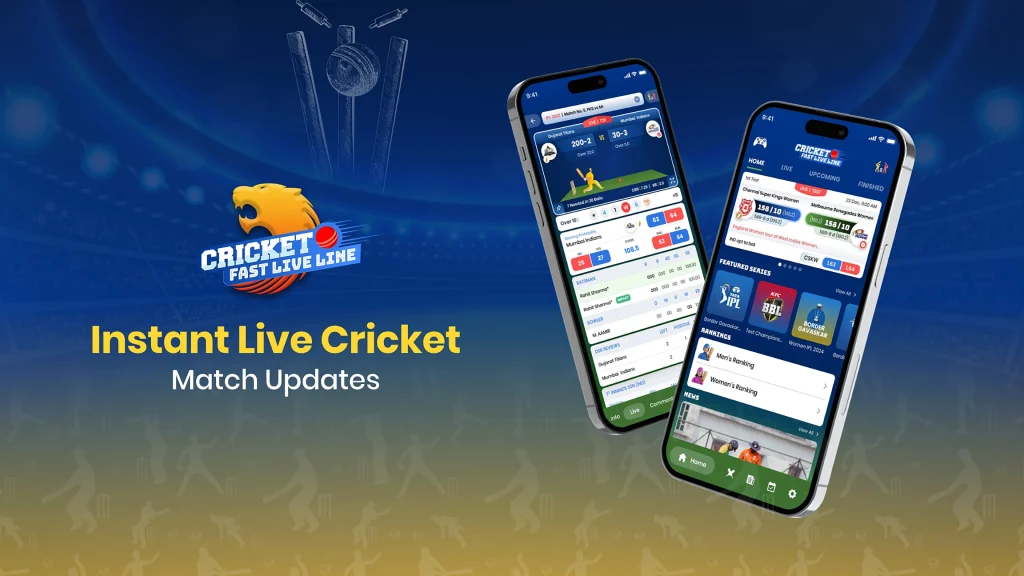
Match nights feel smoother when the phone behaves like a small instrument instead of a blinking banner. The right setup is simple – a legible scoreboard, a handful of cues that survive noise, and a wrap that reconciles on one view. With steady labels and predictable timing, updates add context while the room stays centered on people, so tomorrow starts without cleanup.
Why Small-Screen Clarity Wins on Match Nights
Legibility sets the ceiling for attention in busy rooms. Thin numerals hold shape when contrast is firm and brightness sits at a steady mid-high level. Keep the core trio in one sight line – score, balls remaining, and wickets in hand – to cut eye travel when messages stack. Local time next to fixtures helps late arrivals land without mental math. Reserve a fixed socket for phase flags to avoid layout shift. When placements rarely move, the surface reads like an instrument panel, and decisions stop drifting toward guesswork as pressure rises late.
Vocabulary alignment removes friction across chats and couches. Map where phase labels live, how reviews render, and which pane holds the recap, then reuse those nouns in captions and quick notes. For audiences who split attention between score context and market chatter, a single, device-friendly hub keeps terms consistent; readers who follow desi betting trends still benefit from identical labels because glances carry meaning without a second pass. The goal is boring in the best way – one map, one cadence, fewer corrections, and a calmer thread when overs get loud.
Pacing Windows: Turning Overs Into Actionable Signals
Cricket offers natural windows that translate cleanly to a phone. Early overs are about air movement, seam length, and ring fields that either gift singles or choke them. Middle overs pivot on rotation quality versus spin and whether dot clusters stack across the same matchup. Death overs compress judgment into seconds, where block hole depth, slower-ball disguise, and rope protection at long-on and long-off decide whether a chase breathes. Two or three durable cues per window beat a wall of charts when friends, food, and streams compete for the same minute.
- Boundary interval – balls between fours or sixes to show gap-finding versus ring control
- Dot-pressure share – clusters across one matchup where rotation stalls
- Required rate paired with wickets in hand – risk tolerance tightens late
- Wind or dew notes only when carry dies early or slower balls grip longer
Latency, Sync, and Device Reality
Evenings rarely share a single clock. Broadcast delay, throttled devices, and crowded Wi-Fi can pull replay, commentary, and the board onto different timelines. Treat the board as state truth for transitions, then require one corroborating cue before acting. Pair required rate with resources in hand to prevent misleading spikes. Read boundary interval alongside current field spread to see whether contact quality actually changed. If elements disagree for a beat, wait for reconciliation instead of shipping speculative text that invites edits. Consistent nouns beat flourish under pressure, because readers match the same state on their phones in a single glance.
When Broadcast Lags the Board
Emotion peaks exactly when order slips. A wicket icon can post before the replay reveals the edge. Anchor captions to the posted state, then add color after the over counter advances. Keep rich previews muted in team chats, because stacked cards bury useful notes on older phones. Medium haptics for three events – over start, innings break, result posted – maintain rhythm without hijacking the room. The result is pace without panic and archives that do not need a midnight clean-up pass.
Privacy, Payments, and Shared Screens
Shared rooms introduce discretion and money hygiene. Deposit windows belong in the cashier expressed in hours or business days, and daily ceilings should sit beside the amount field where choices happen. Each action benefits from a compact receipt – amount, rail, reference ID, and local timestamp – visible on one screen that screenshots cleanly. Statement subjects should mirror on-screen nouns to keep inboxes searchable. Mute auto-expanding link previews to avoid exposing sensitive tiles. A clear ledger separated into deposits, adjustments, bonuses, and cash-outs shortens audits, so attention returns to the match instead of hunting through threads.
A Clean Finish That Teaches Tomorrow
Closure is a product decision. End on posted checkpoints – an innings break, a reached target, or a timer set during setup – rather than drifting through “one more refresh.” Confirm recap, ledger, and balance on a single view, so no after-hours troubleshooting steals sleep. Save one context frame that actually teaches the next session: boundary interval stretching after a long-on dropped deeper in the 18th, or a dot cluster that throttled rotation in the middle overs.