In a world where tech is evolving at an unprecedented rate, innovation is often accompanied by a hefty dose of exclusivity. This is especially true when it comes to the rapidly growing world of connected devices and smart tags. A new app has surfaced that could make Samsung’s Galaxy SmartTag compatible with any Android phone, but there’s a big caveat.
This breakthrough could mark a significant shift in the way consumers use Bluetooth tracking devices, but will Samsung allow it to happen? Let’s dive deep into what the Galaxy SmartTag is, how this app could make it universal across Android devices, and whether Samsung will step in to shut it down.
In the fast-paced world of tech, one of the most exciting innovations in recent years has been the rise of Bluetooth trackers. These small, portable devices help users locate misplaced items like keys, wallets, and bags, offering an easy way to stay organized in a cluttered world.
More Read: Sodium-Ion Power Bank Sets New Standard for Battery Longevity
What Is Galaxy SmartTag?
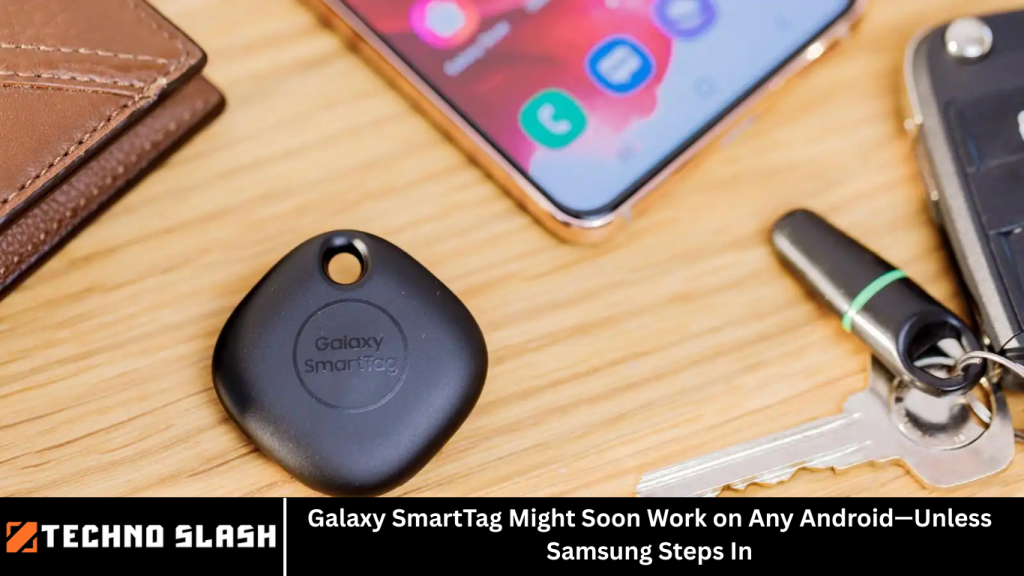
The Galaxy SmartTag is a Bluetooth-powered tracking device designed by Samsung to help users find their personal belongings—whether it’s keys, bags, or anything else that’s easy to misplace. It functions similarly to Apple’s AirTag and works with Samsung’s Galaxy ecosystem, offering features like location tracking, item finding, and even proximity alerts.
The tag itself is small and circular, with a sleek design that fits easily into bags or attaches to keychains. It uses Samsung’s SmartThings Find network, a location-tracking system that leverages the billions of Galaxy devices worldwide to help pinpoint the exact location of a lost item.
While the SmartTag is an innovative piece of technology, it is currently limited in its compatibility. Specifically, it is designed to work exclusively with Samsung devices, particularly those within the Galaxy ecosystem. This is an intentional strategy by Samsung, aiming to create a seamless experience for its users.
The Breaking News: A New App for Universal Compatibility
Recently, a third-party developer launched an app that promises to make the Galaxy SmartTag compatible with any Android device. This development could be a game-changer for anyone who wants to use a SmartTag without being locked into the Samsung ecosystem.
The app works by tapping into the Bluetooth Low Energy (BLE) protocol used by the SmartTag. By doing so, it allows non-Samsung Android phones to connect to and interact with the tag. While this opens up the possibility for a wider range of Android users to benefit from the SmartTag, it also raises questions about whether Samsung will intervene to block or restrict this compatibility.
The app is still in its early stages and has yet to be fully tested on a wide range of Android devices. However, early reports suggest that it works as advertised, allowing Android users from various manufacturers—such as Google, OnePlus, and Xiaomi—to track their belongings using the Galaxy SmartTag.
Why Is This a Big Deal for Android Users?
If successful, this app could have a massive impact on Android users. Currently, many individuals within the Android ecosystem are forced to look for alternatives to the Galaxy SmartTag, such as Tile or Chipolo. While these alternatives offer similar functionality, they don’t have the deep integration that Samsung’s SmartTag provides.
Samsung’s SmartThings ecosystem is one of the most robust and comprehensive in the industry, offering a range of devices and services that work together in harmony. From smart thermostats and lights to security cameras and wearables, the SmartThings ecosystem is designed to provide a unified experience. The SmartTag is a critical part of this network, but until now, it’s only been available to Samsung Galaxy users.
By enabling the SmartTag to work across all Android devices, the app could significantly enhance the experience for users who don’t have a Samsung phone but still want to take advantage of the functionality offered by the Galaxy SmartTag.
Pros for Android Users:
- Universal Compatibility: Android users across a variety of brands would have access to the Galaxy SmartTag’s benefits, expanding its reach.
- Enhanced Tracking: Samsung’s SmartThings Find network is one of the most comprehensive Bluetooth tracking systems, giving users a better chance of locating lost items.
- Cost-Effective: With Galaxy SmartTags potentially being available to all Android users, people could benefit from a more affordable solution compared to alternatives like Apple’s AirTags.
Challenges:
- Limited Features: Some of the advanced features, such as SmartThings integration, might not be fully functional on non-Samsung devices.
- Battery Life: There may be concerns about how the app’s compatibility could affect the battery life of certain Android phones.
- App Stability: Since the app is still in its early stages, there may be bugs or performance issues that need to be ironed out.
Could Samsung Block This App?
While this new app offers Android users the possibility of enjoying Galaxy SmartTag functionality, there’s a major elephant in the room: Samsung. The tech giant has a vested interest in keeping its products exclusive to its own ecosystem, and it’s likely that the company could take action to block this app from gaining widespread use.
Samsung has historically kept certain features exclusive to its devices to encourage customers to remain within its Galaxy ecosystem. The idea is that once a user buys into Samsung’s product line—be it a phone, tablet, smartwatch, or SmartTag—they’re more likely to stick with the brand for future purchases.
If Samsung perceives the third-party app as a threat to its ecosystem, it could choose to make software changes that prevent it from working on non-Samsung devices. This could take the form of firmware updates or changes to the SmartThings platform itself.
In fact, this wouldn’t be the first time that Samsung has restricted certain features or apps to its own devices. For instance, the Samsung DeX desktop experience, which allows users to turn their Samsung smartphones into desktop-like devices, is only available on certain Galaxy devices.
What Happens Next?
For now, it’s a waiting game. The third-party app is in its early stages, and while it has gained some attention, there’s no official word from Samsung on whether it will take steps to block the app. The app’s success largely depends on how well it works across different Android devices and whether Samsung sees it as a threat.
If the app is successful and Samsung does not intervene, it could open the door to even more third-party apps that make Samsung devices more accessible to a wider range of consumers. However, if Samsung does decide to step in, it could prevent the app from becoming a mainstream solution.
The Future of SmartTag and Cross-Platform Compatibility
Looking to the future, there are a few potential outcomes for the Galaxy SmartTag and its cross-platform compatibility:
Samsung Embraces the Change: If Samsung decides to embrace the idea of universal compatibility, it could officially release an update that allows Galaxy SmartTag to work with all Android devices. This would mark a significant shift in Samsung’s strategy, but it would also bring more customers into its ecosystem.
App Development Continues Without Samsung’s Blessing: If Samsung blocks the app or restricts its functionality, third-party developers could continue to work on alternative solutions. These solutions might take the form of custom apps or even third-party firmware modifications.
Samsung Doubles Down on Exclusivity: Alternatively, Samsung could choose to continue its approach of exclusivity, making the SmartTag only available to Galaxy users. This would likely maintain its competitive edge but could alienate Android users who want a broader selection of compatible devices.
Frequently Asked Question
What is the Galaxy SmartTag?
The Galaxy SmartTag is a Bluetooth tracking device designed by Samsung that helps you locate lost items. It’s part of Samsung’s SmartThings ecosystem and works by connecting to nearby Galaxy devices for location tracking.
How does the new app work with non-Samsung Android phones?
The app uses Bluetooth Low Energy (BLE) to connect Galaxy SmartTags to non-Samsung Android devices, allowing them to track items. It essentially bypasses the need for a Samsung phone to interact with the SmartTag.
Can I use the Galaxy SmartTag with my non-Samsung Android device?
Yes, with the new app, Galaxy SmartTag can work with most Android devices, even if they’re not made by Samsung.
Why would Samsung block this app?
Samsung might block the app to maintain exclusivity for its own devices and encourage users to stay within its ecosystem. This is a common strategy used by many tech companies to keep customers loyal to their brand.
Will the app affect the functionality of the Galaxy SmartTag?
It’s possible that certain features might not work as smoothly on non-Samsung devices. Some advanced SmartThings integration features could be limited or unavailable.
What other alternatives exist to the Galaxy SmartTag?
Alternatives include devices like Tile, Chipolo, and the Apple AirTag. Each offers similar tracking functionality, though none are as integrated with the Samsung ecosystem.
Can third-party developers continue to improve the app if Samsung blocks it?
Yes, third-party developers can continue to improve the app or create alternative solutions, though Samsung may take action to prevent these from becoming widely adopted.
Conclusion
The possibility of Galaxy SmartTag working on any Android device is an exciting prospect for users outside of Samsung’s ecosystem. With the launch of a third-party app enabling compatibility with a wide range of Android phones, Samsung’s popular Bluetooth tracker could finally break free from its exclusivity. This move would allow millions of Android users to enjoy the benefits of the SmartTag without being tied to a single brand.